
Latest Blogs & Research
Explore published insights across governance, infrastructure, and real-world asset systems.

The Economics of a Film Slate: Why Financing Multiple Projects Together Changes the Risk Profile
Executive TL;DR Slate financing funding a...
Could Tokenized Structures Give Independent Producers Access to Capital Studios Take for Granted?
Executive TL;DR Large studios and streaming...
How Pre-Sales, Tax Credits, and Bridge Loans Currently Finance Films And Where Tokenized Capital Could Fit
Executive TL;DR Pre-sales licensing distribution...

Gap Financing in Film: The $200 Billion Problem Hollywood Doesn’t Talk About
Executive TL;DR Global content investment by...
Why Movies Are Financed Like Infrastructure Projects And What That Means for Tokenization
Executive TL;DR Film finance and infrastructure...
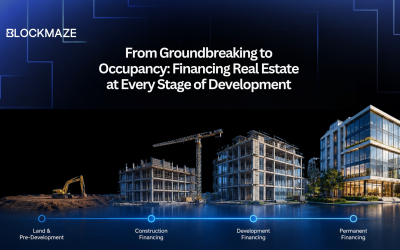
From Groundbreaking to Occupancy: Financing Real Estate at Every Stage of Development
Executive TL;DR Real estate development moves...
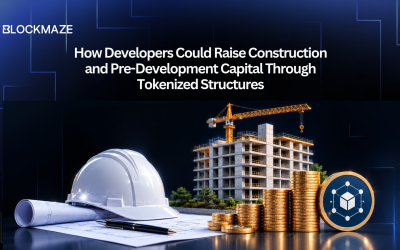
How Developers Could Raise Construction and Pre-Development Capital Through Tokenized Structures
Executive TL;DR Banks comprised just 18% of...
Why Tokenizing a Finished Building Misses the Real Opportunity in Real Estate Capital
Executive TL;DR Deloitte projects real estate...
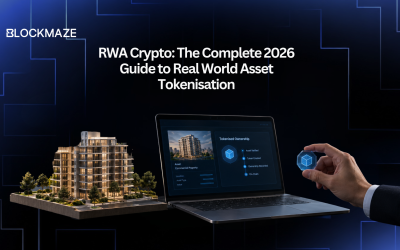
RWA Crypto: The Complete 2026 Guide to Real World Asset Tokenisation
Market data: RWA.xyz, as of October 6, 2026...
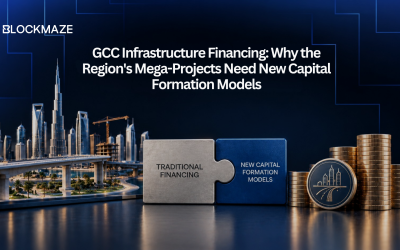
GCC Infrastructure Financing: Why the Region’s Mega-Projects Need New Capital Formation Models
Executive TL;DR Saudi Arabia's Vision 2030 has...
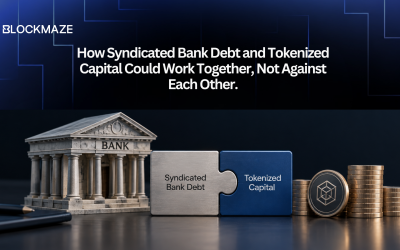
How Syndicated Bank Debt and Tokenized Capital Could Work Together, Not Against Each Other
Executive TL;DR Basel III capital requirements,...
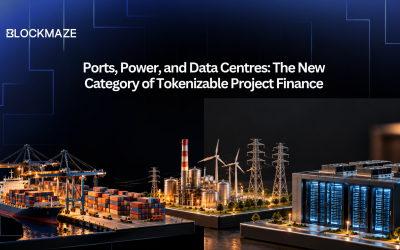
Ports, Power, and Data Centres: The New Category of Tokenizable Project Finance
Executive TL;DR Hyperscaler data centre capital...
The $15 Trillion Infrastructure Gap: Why Traditional Financing Can’t Close It Alone
Executive TL;DR The G20's Global Infrastructure...
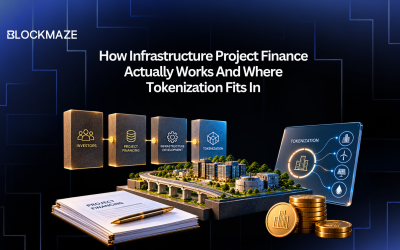
How Infrastructure Project Finance Actually Works And Where Tokenization Fits In
Executive TL;DR Infrastructure project finance...
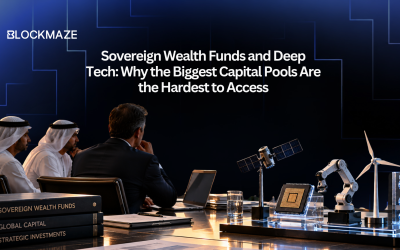
Sovereign Wealth Funds and Deep Tech: Why the Biggest Capital Pools Are the Hardest to Access
Executive TL;DR Sovereign wealth funds poured...
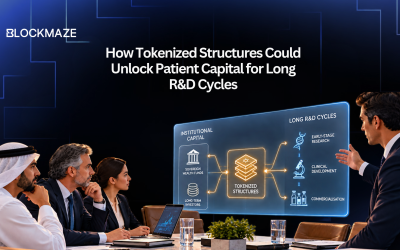
How Tokenized Structures Could Unlock Patient Capital for Long R&D Cycles
Executive TL;DR Patient capital investment made...

Semiconductor Fabs, Battery Plants, and the Billion-Dollar Capital Gap Nobody Talks About
Executive TL;DR A leading-edge semiconductor fab...
Why Deep Tech Startups Can’t Raise the Way Software Startups Do And What Fixes That
Executive TL;DR A typical software company...
From Venture Capital to Verifiable Capital: How Tokenized Structures Change Who Can Fund What
Executive TL;DR Global sovereign wealth funds...
The $50 Trillion Problem: Why Capital-Intensive Projects Struggle to Get Funded Even When They’re Bankable
Executive TL;DR Global institutional investors...
What Community Capital Formation Actually Means (And Why It’s Different From Crowdfunding)
Executive TL;DR Regulation Crowdfunding (Reg...
Why Private Capital Has a Distribution Problem, Not a Deal Flow Problem
Executive TL;DR Global private capital dry...
How Family Offices Are Evaluating Tokenized Alternative Investments
Executive TL;DR Family offices allocate a...
The Difference Between Tokenizing an Asset and Financing a Project
Executive TL;DR Asset tokenization represents...
How Global Custodians Are Building Digital Asset Custody Without Replacing Existing Infrastructure
Executive TL;DR BNY, the world's largest...
How Network Governance Differs From Corporate Governance in Institutional Blockchain Ecosystems
Executive TL;DR Corporate governance and network...
Beyond RWA: Why Tokenization’s Real Opportunity Is Capital Formation, Not Asset Digitization
Executive TL;DR Every major tokenization...
The Role of Transfer Agents in a Tokenized World: Are They Becoming Obsolete or More Important?
Executive TL;DR On 1 September 2026, the SEC...
Institutional Custody & Collateral for Tokenised Assets: The 2026 Hub
Executive TL;DR Institutional custody for...
Global Regulatory Sandbox Tracker for Tokenised Assets: 2026 Edition
Executive TL;DR Ten regulatory sandboxes are...
How Institutional DeFi Differs From Retail DeFi: A Structural Comparison
Executive TL;DR • The DeFi lending...
Digital Securities vs Security Tokens vs Tokenized Securities: Clearing Up the Terminology Confusion
Executive TL;DR • Three terms dominate...
What Happens to a Tokenized Asset When the Issuer Defaults? A Legal and Operational Framework
Executive TL;DR • Default is the scenario...
Interoperability Standards for Institutional Blockchain Networks: What “Connected” Actually Requires
Executive TL;DR • Interoperability is claimed...
Bahrain’s Digital Asset Regulatory Sandbox: What Nine Years of CBB Policy Has Actually Produced
Executive TL;DR • The Central Bank of Bahrain...
How Network Validators Support Institutional-Grade Reliability
Executive TL;DR • Validator discussion in...
How Insurance Companies Are Piloting Tokenized Catastrophe Bonds in the GCC
Executive TL;DR • The catastrophe bond market...
What Happened to Security Tokens? The 2018 STO Boom, the Collapse, and the 2026 Revival
Executive TL;DR • In 2018, security tokens were...
How Nasdaq’s DTC-Settled Tokenised ETF Framework Works
Executive TL;DR • In September 2025, Nasdaq...
Tokenised ETFs vs Tokenised Money Market Funds: Which Structure Fits Which Use Case
Executive TL;DR • Tokenised ETFs and tokenised...
The Real Estate Tokenisation Stack: Title, Custody, Compliance, and Distribution
Executive TL;DR • Tokenised real estate is not...
Tokenised Real Estate: Why Most Projects Have Failed and What Changed
Executive TL;DR • RealT once the largest name...
MiCA vs UAE vs Singapore: Comparing the Three Major Tokenisation Frameworks
Executive TL;DR • Three jurisdictions have...
MiCA Compliance Checklist for Tokenised Asset Issuers
Executive TL;DR • This checklist covers the six...
MiCA Regulation: A Compliance Guide for Tokenised Asset Issuers
Executive TL;DR • The EU's Markets in...
Real World Assets: Five Failures and What They Taught the Industry
Executive TL;DR • The RWA tokenisation market...
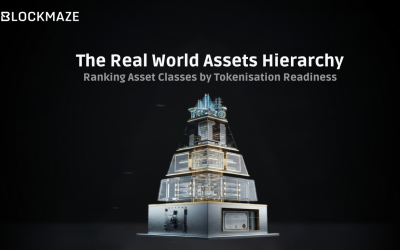
The Real World Assets Hierarchy: Ranking Asset Classes by Tokenisation Readiness
Executive TL;DR • Not all real-world assets are...
What Is Web3? An Institutional Finance Perspective
Executive TL;DR • Web3 is a technical...

Why Construction Loans Are Hard to Get in 2026 and What Developers Are Doing Instead
Executive TL;DR • Construction financing in...
Tokenized Stocks vs Traditional Brokerage: An Honest Comparison
Executive TL;DR • This comparison does not have...
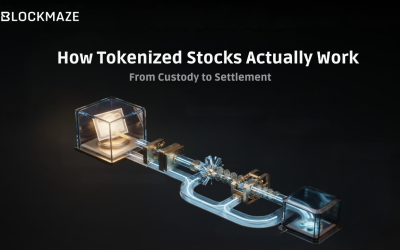
How Tokenized Stocks Actually Work: From Custody to Settlement
Executive TL;DR • A tokenized stock is a...
Tokenized Stocks: How Equity Markets Are Moving to Blockchain Rails
Executive TL;DR • The tokenised stock market...
RWA Crypto Terminology: 40 Terms Every Institutional Investor Should Know
Executive TL;DR • The RWA crypto market holds...
RWA Crypto Market Map 2026: Every Category, Every Major Player, Every Number
Executive TL;DR • The RWA crypto market holds...
Blockchain Technology in Capital Markets: Key Role and Its Benefits
Executive TL;DR • Capital markets are already...
Why RWA Crypto Grew While the Rest of DeFi Contracted
Executive TL;DR • Deposits of tokenised...
Dubai’s VARA Framework vs Abu Dhabi’s ADGM: A Comparative Guide for Institutional Issuers
Executive TL;DR • The UAE does not operate a...
Why Enterprise Blockchain Networks Need Economic Alignment Between Issuers, Validators, and Users
Executive TL;DR • The enterprise blockchain...
How Institutional Networks Design Token-Based Participation Without Becoming Speculative Assets
Executive TL;DR • A network token performs...
The Corporate Actions Problem in Tokenized Securities: Why Dividends and Splits Are Harder Than They Look
Executive TL;DR • Corporate actions —...
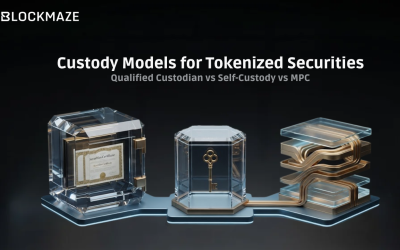
Custody Models for Tokenized Securities: Qualified Custodian vs Self-Custody vs MPC
Executive TL;DR • Custody is the first question...
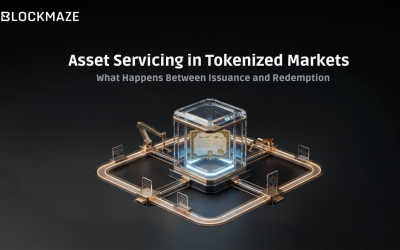
Asset Servicing in Tokenized Markets: What Happens Between Issuance and Redemption
Executive TL;DR • Asset servicing is the...
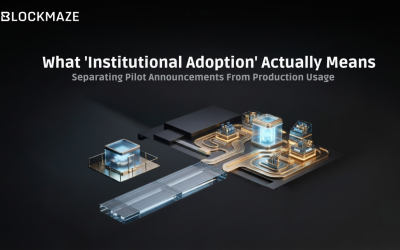
What “Institutional Adoption” Actually Means: Separating Pilot Announcements From Production Usage
Executive TL;DR • "Institutional adoption" has...
Tokenization Is Moving Beyond the Asset: What Actually Changes in Financial Markets?
A financial asset has always been more than the...
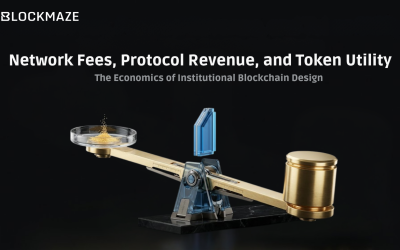
The Difference Between Network Fees, Protocol Revenue, and Token Utility in Institutional Blockchain Design
Executive TL;DR • Network fees are the cost of...
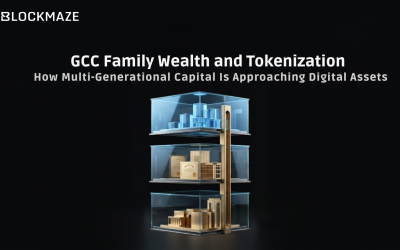
GCC Family Wealth and Tokenization: How Multi-Generational Capital Is Approaching Digital Assets
Executive TL;DR • GCC family offices are...
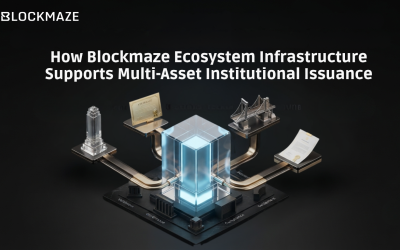
How Blockmaze Ecosystem Infrastructure Supports Multi-Asset Institutional Issuance
Ask a tokenization platform whether it supports...
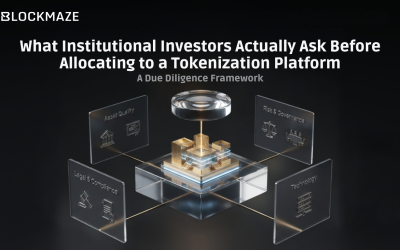
What Institutional Investors Actually Ask Before Allocating to a Tokenization Platform: A Due Diligence Framework
Institutional capital does not move on...
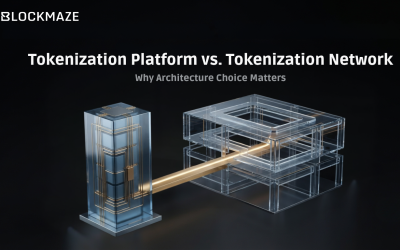
The Difference Between a Tokenization Platform and a Tokenization Network: Why Architecture Choice Matters
The word 'platform' undersells what...
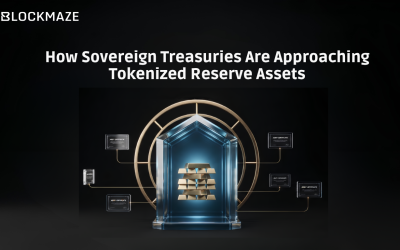
How Sovereign Treasuries Are Approaching Tokenized Reserve Assets
Sovereign wealth funds do not experiment...
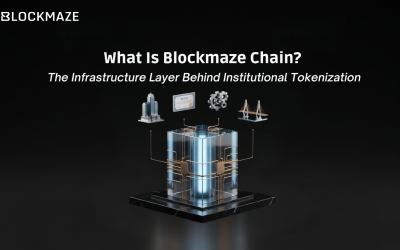
What Is Blockmaze Chain? The Infrastructure Layer Behind Institutional Tokenization
Ask ten people what a blockchain is and most...
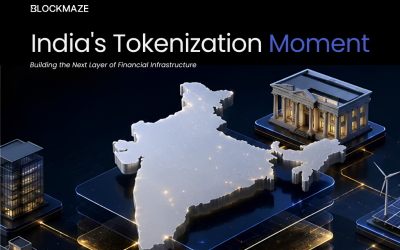
India’s Tokenization Moment: Building the Next Layer of Financial Infrastructure
India is taking an important step in the...
How Collateral Management Is Being Transformed by Tokenized Assets
Collateral management is one of the most...
Cross-Chain Liquidity Aggregation for Tokenized Assets in 2026
Executive TL;DR Blockchain networks (Ethereum,...
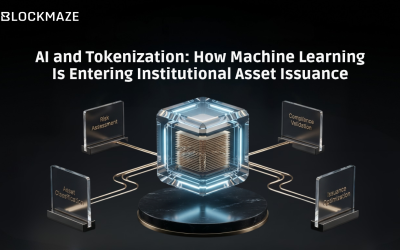
AI and Tokenization: How Machine Learning Is Entering Institutional Asset Issuance
Artificial intelligence is not a future...
Atomic Swaps and Delivery Versus Payment in Tokenized Securities Settlement
Settlement risk — the risk that one party in a...
How Token Standards Are Evolving Beyond ERC-3643 in 2026
A token standard is a technical specification...
Multi-Signature Wallet Governance for Institutional Asset Management
A multi-signature wallet is a smart...
Smart Contract Auditing Standards for Institutional Tokenized Securities
Every tokenized financial instrument is governed...
CBDCs and Tokenized Securities: How They Intersect and Where They Diverge
Two of the most consequential financial...
Zero-Knowledge Proofs for Privacy in Regulated Tokenization
The blockchain's defining property — a public,...
Liquidity Pools for Tokenized Securities: How Permissioned AMMs Work
Automated market makers transformed DeFi...
The Role of Stablecoins in Tokenized Asset Settlement
Every tokenized asset transaction has a cash...
Yield Bearing Tokenized Assets: Staking, Lending, and Real Yield Explained
One of the most compelling institutional finance...
How DeFi Protocols Are Integrating Institutional-Grade Tokenized Assets
The original vision for DeFi was to create an...
Tokenized Repo Markets: How Blockchain Is Changing Short-Term Secured Lending
The repurchase agreement market, where one party...
Institutional DeFi: Using Tokenized RWAs as Collateral in Lending Markets
The evolution of tokenized RWA markets in...
How Rating Agencies Are Approaching Tokenized Instruments and Structured Products
Market liquidity does not appear spontaneously...
Hedge Funds and Tokenized Instruments: Liquidity, Leverage, and Collateral
Hedge funds are the institutional investor...
How Prime Brokers Are Positioning for Tokenized Securities Markets
Prime brokerage is the institutional...
How Central Banks Are Observing and Engaging with Tokenized Securities Markets
Central banks occupy a unique position in the...
Insurance Companies and Tokenized Fixed Income: The Liability Matching Argument
Insurance companies are the quiet giants of...
Sovereign Wealth Funds and the Case for Tokenized Infrastructure Debt
Sovereign wealth funds occupy a unique position...
How Pension Funds Are Evaluating Tokenized Asset Allocation
Pension funds represent the patient capital that...
Tokenized Mortgage-Backed Securities: Opportunity and Structural Considerations
Mortgage-backed securities are the instrument...
Intellectual Property and Royalty Tokenization: Music, Patents, and Beyond
Intellectual property is one of the most...
Tokenized Receivables and Invoice Financing for SMEs and Corporates
Every business that sells goods or services on...
Sukuk Tokenization: Bringing Islamic Finance onto Blockchain Rails
Sukuk — the Shari'ah-compliant alternative to...
Tokenizing Sovereign Bonds and Government Debt Instruments
When a government or supranational institution...
How Regulators Worldwide Are Approaching Tokenized Sovereign Bonds
Executive TL;DR Sovereign debt is leading the...