
Documentation & Resources
Blockmaze Documentation & Resources
The Blockmaze knowledge hub serves as the single source of truth for all technical specifications, governance frameworks, validator standards, token economics, and real-world asset infrastructure documentation. All documents are version-controlled, governance-aligned, and intended for developers, validators, institutions, exchanges, and ecosystem participants.

Blockmaze Protocol Technical Specification
Defines the operational requirements and technical standards for running and maintaining Blockmaze nodes.
- Validator and full node roles
- System and server requirements
- Validator security and governance responsibilities
- Network performance and the BMZ utility model

Yellow Paper
A formal specification of Blockmaze’s Layer-0 architecture, consensus system, governance framework, economic model, and interoperability design.
- Layer-0 architecture and chain registry
- BFT PoS consensus and slashing
- Dual governance and quadratic voting
- RWA execution, settlement, and IBC interoperability
Architecture Diagrams / Network Architecture
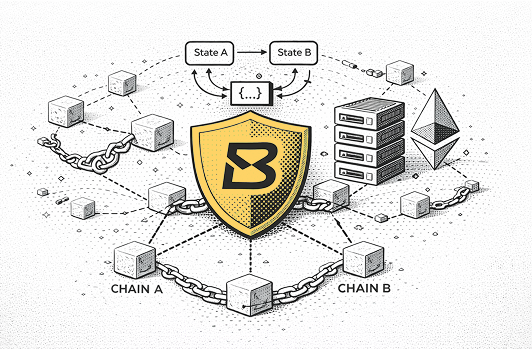
Outlines the structural design of the Blockmaze network, including state machine behavior, consensus integration, EVM compatibility, and cross-chain connectivity.
- Replicated state machine and Cosmos SDK framework
- CometBFT consensus and ABCI execution flow
- EVM accounts, gas model, and transaction receipts
- IBC-based interoperability and ecosystem connectivity
Security Model & Slashing Rules
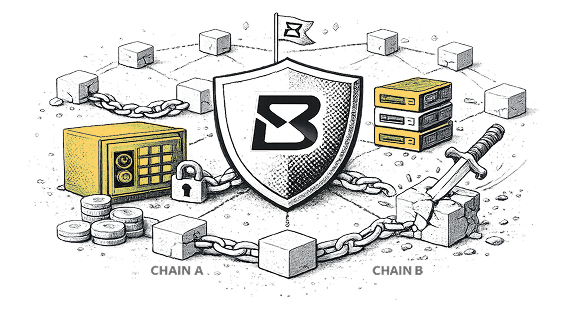
Explains how Blockmaze enforces network safety through delegated Proof-of-Stake, deterministic finality, and protocol-level slashing mechanisms.
- Stake-weighted BFT consensus and finality guarantees
- Validator and delegator responsibilities
- Double-signing and downtime penalties
- Unbonding window and governance-controlled security parameters
Validator Handbook
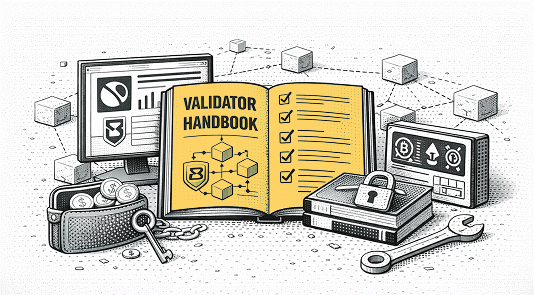
A practical guide for running and managing a validator on Blockmaze, covering setup, staking operations, dashboard usage, and validator lifecycle actions.
- Validator roles, minimum requirements, and login workflow
- Dashboard navigation, blocks, and validator status monitoring
- Bonding, unbonding, commission settings, and account controls
- Re-validation process and validator lifecycle management
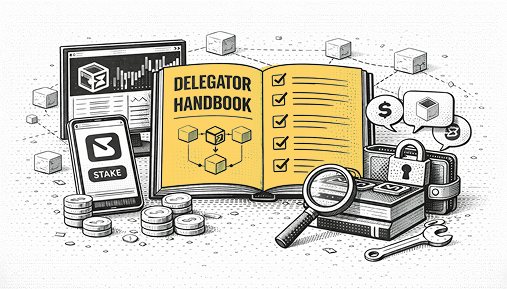
Delegator Handbook
A user guide for staking BMZ tokens through the Blockmaze Delegator Application, covering delegation, reward tracking, and stake management workflows.
- Delegator role, login process, and minimum staking requirements
- Dashboard metrics, validator comparison, and staking statistics
- Bonding, unbonding, and redelegation actions
- Validator evaluation tools and transaction tracking
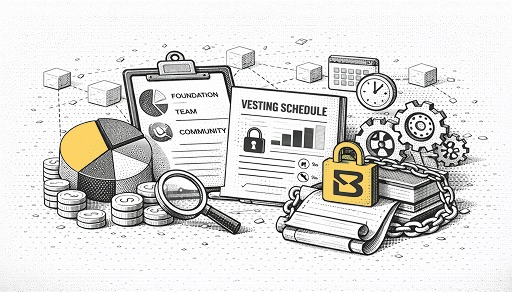
Emission, Vesting, & Unlock Schedule
Explains the on-chain BMZ emission framework, including allocation categories, vesting contracts, access controls, and automated token release mechanisms.
- Allocation wallets, genesis distribution, and role-based access control
- Factory and vesting contract architecture
- Lock periods, linear release logic, and automated execution flow
- Multi-signature wallet update model and beneficiary dashboard tracking
RWA Issuer Framework
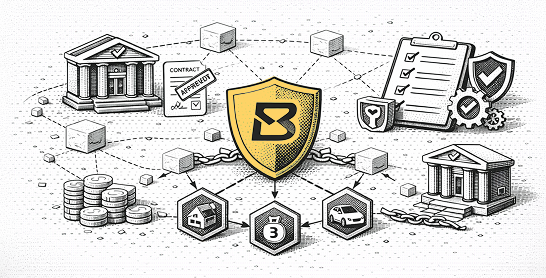
Outlines the governed process through which regulated institutions onboard, tokenize real-world assets, and maintain ongoing compliance on Blockmaze.
- Institutional onboarding, KYB verification, and issuer whitelisting
- Offering proposal submission and governance council approval
- Token deployment, minting, burning, and freeze controls
- Proof-of-Reserve reporting and enforcement mechanisms
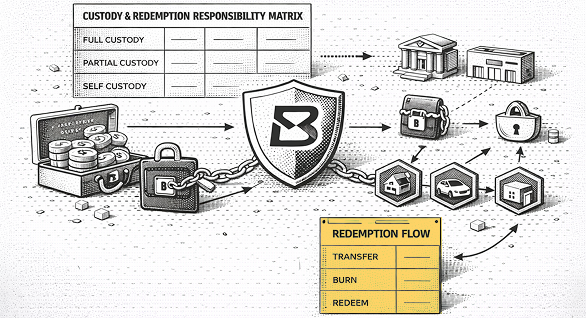
Custody & Redemption Responsibility Matrix
Clarifies asset custody models, wallet responsibilities, and the governed redemption flow for tokenized assets on Blockmaze.
- Self-custody vs platform-created wallet models
- Key ownership and platform responsibility boundaries
- Redemption eligibility checks and validation process
- Token return, price calculation, and settlement workflow
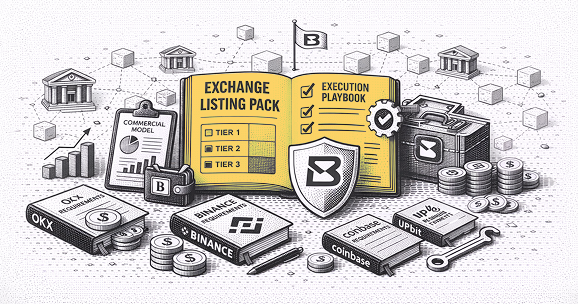
Exchange Listing Pack
Provides a structured framework for centralized exchange listings, including tier classification, execution playbook, commercial models, and exchange-specific readiness requirements.
- Tier A–D exchange categorization and selection criteria
- Phased listing playbook from readiness to post-listing monitoring
- Listing economics, liquidity support, and promotional allocations
- Exchange-specific expectations, fee ranges, and integration requirements