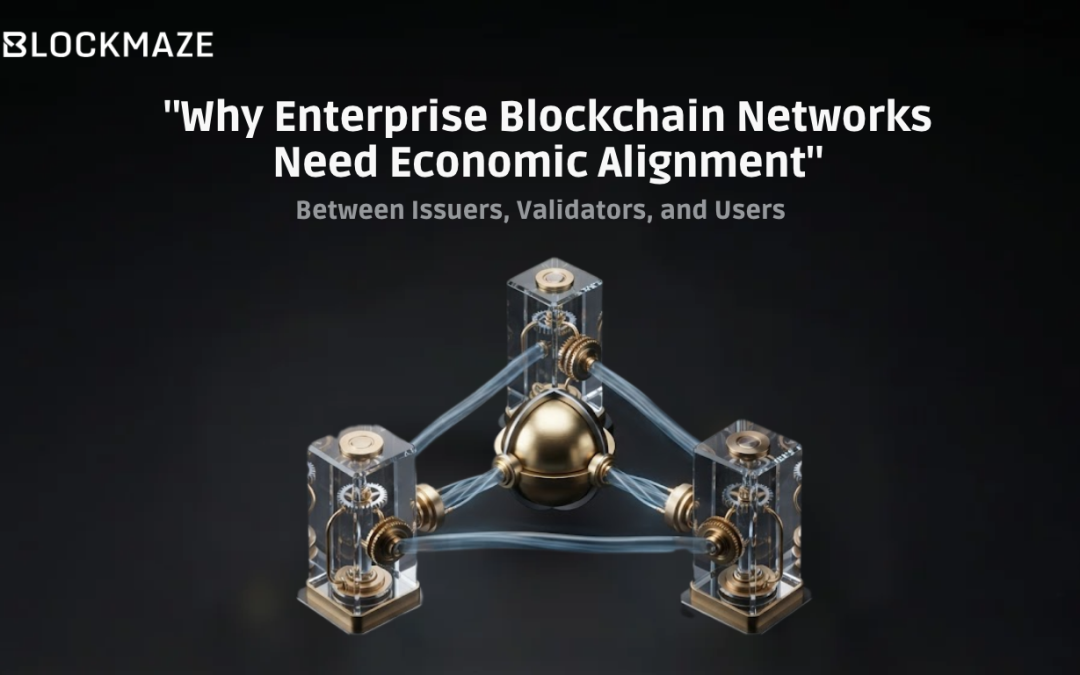
Executive TL;DR • The enterprise blockchain consortium era of 2016-2021 produced a large number of technically successful pilots that never reached production. The dominant failure mode was not technical — it was that no participant had a durable economic reason to...
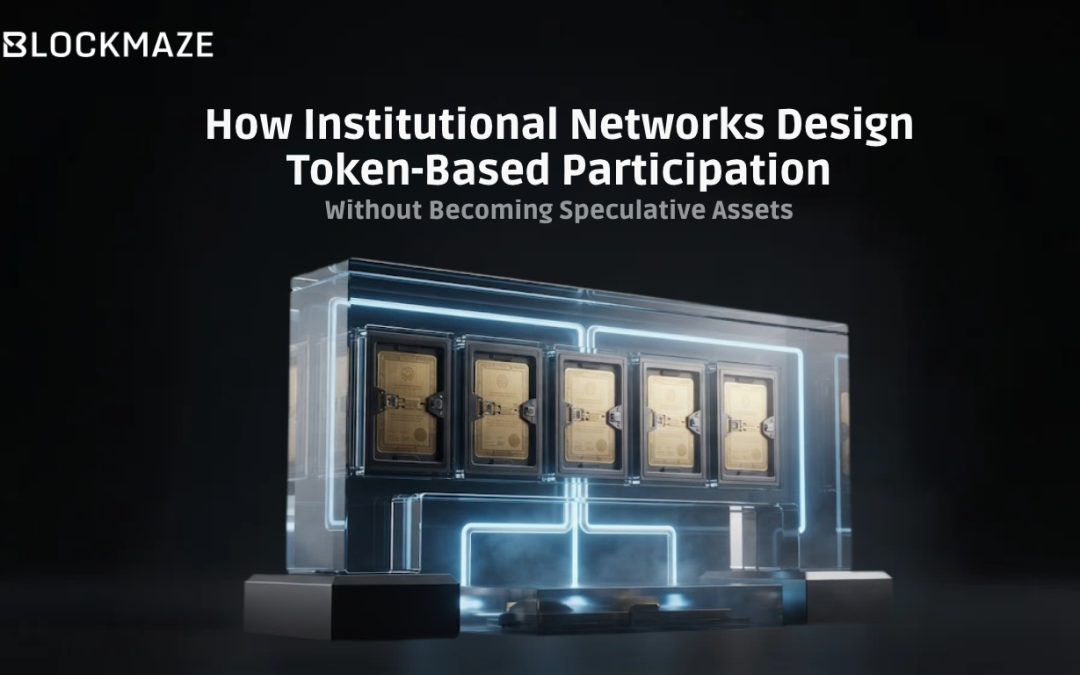
Executive TL;DR • A network token performs coordination functions validator commitment, governance participation, access control, and economic alignment between parties. Whether that token also becomes a speculative instrument is a design outcome, not an...
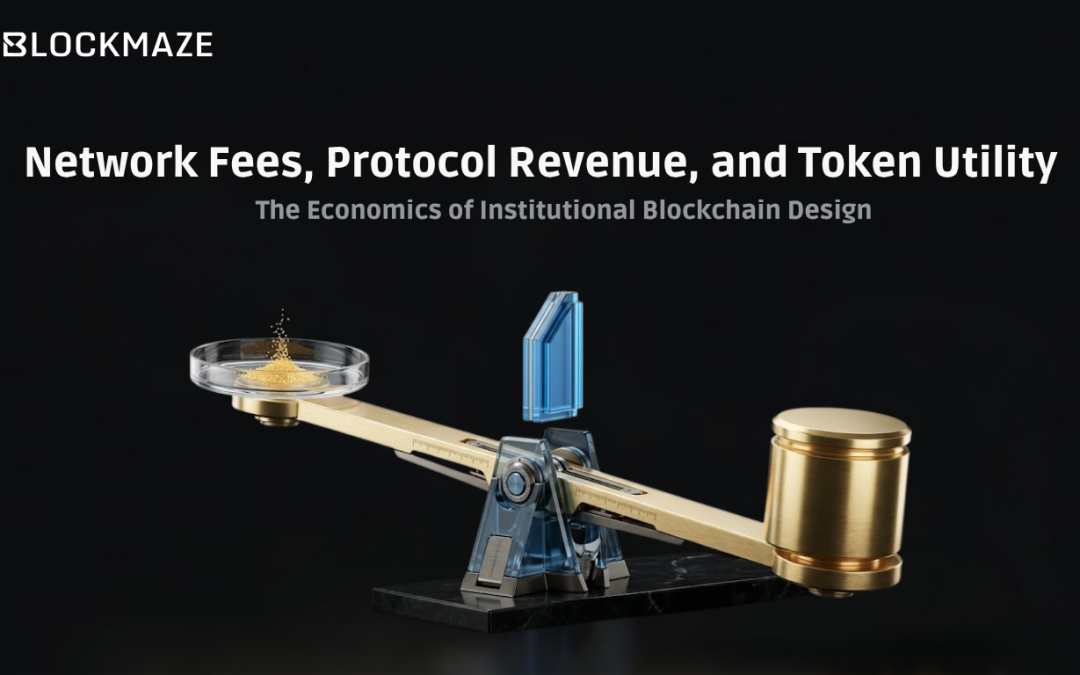
Executive TL;DR • Network fees are the cost of using infrastructure — paid by anyone transacting on the network, regardless of whether they hold the native token. Protocol revenue is the portion of value the network’s governing structure captures and directs...
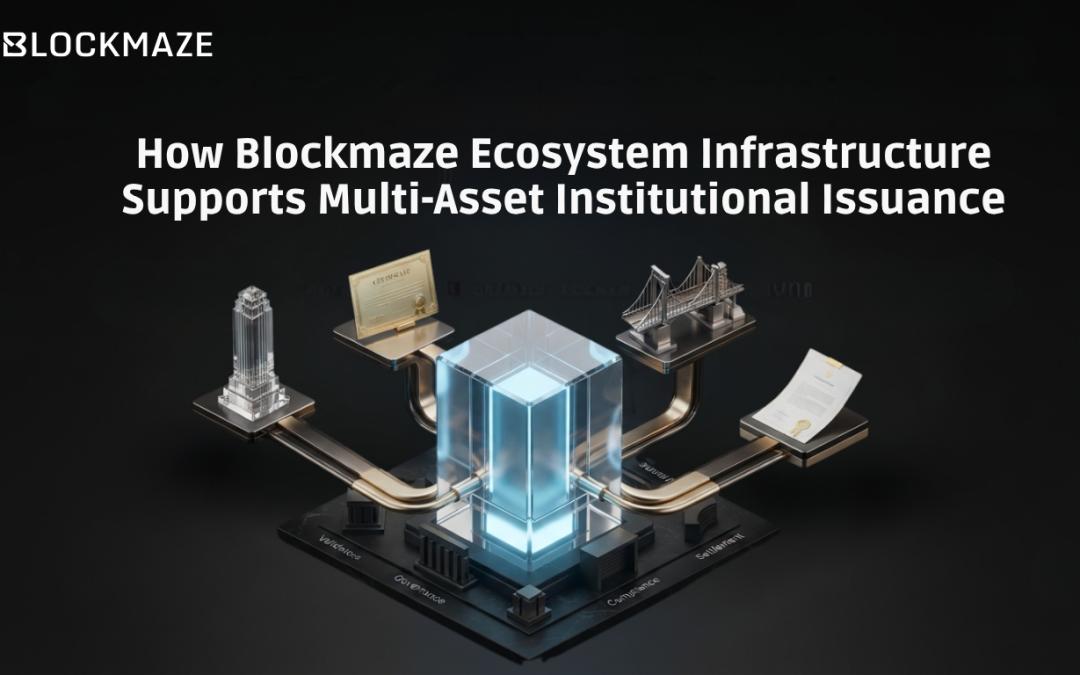
Ask a tokenization platform whether it supports multiple asset classes, and almost every serious platform will say yes. Bonds, funds, real estate, commodities, private credit — the asset class list has become a standard feature comparison across the industry. But...
Ask ten people what a blockchain is and most will describe the ledger a shared, immutable record of transactions. That description is accurate but incomplete, and the gap between accurate-but-incomplete and actually useful is where institutional blockchain...
Executive TL;DR The Blockmaze ecosystem has four distinct participant roles: validators (who secure the network and validate transactions), delegators (who stake tokens to support validators and earn rewards), governance council members (who vote on DAO proposals...