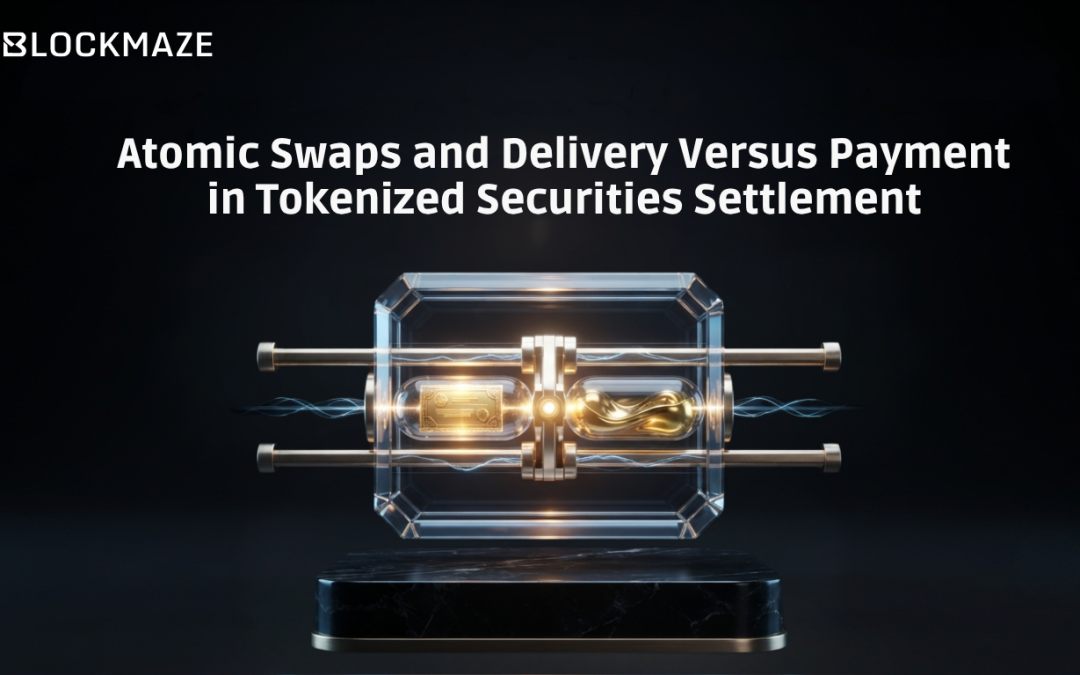
Settlement risk — the risk that one party in a securities transaction delivers their obligation and the other does not, either because of default or operational failure — has been the most persistent counterparty risk in financial markets since securities trading...
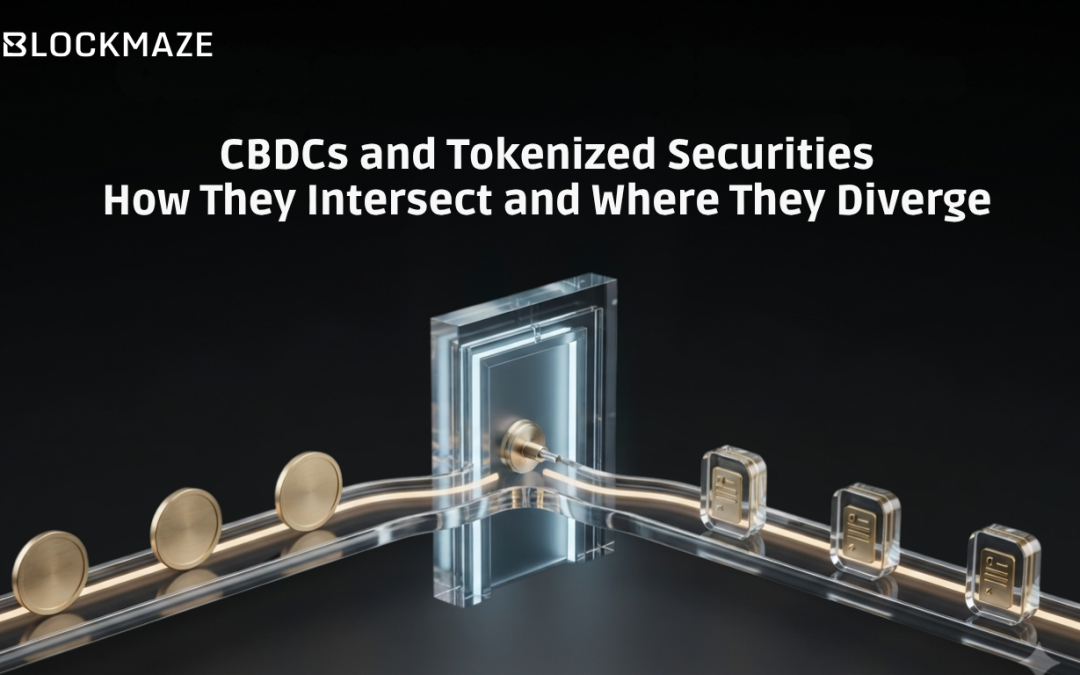
Two of the most consequential financial infrastructure developments of the 2020s are advancing simultaneously: central bank digital currencies and tokenized securities. Understanding how they relate to each other — where they overlap, where they complement, and where...
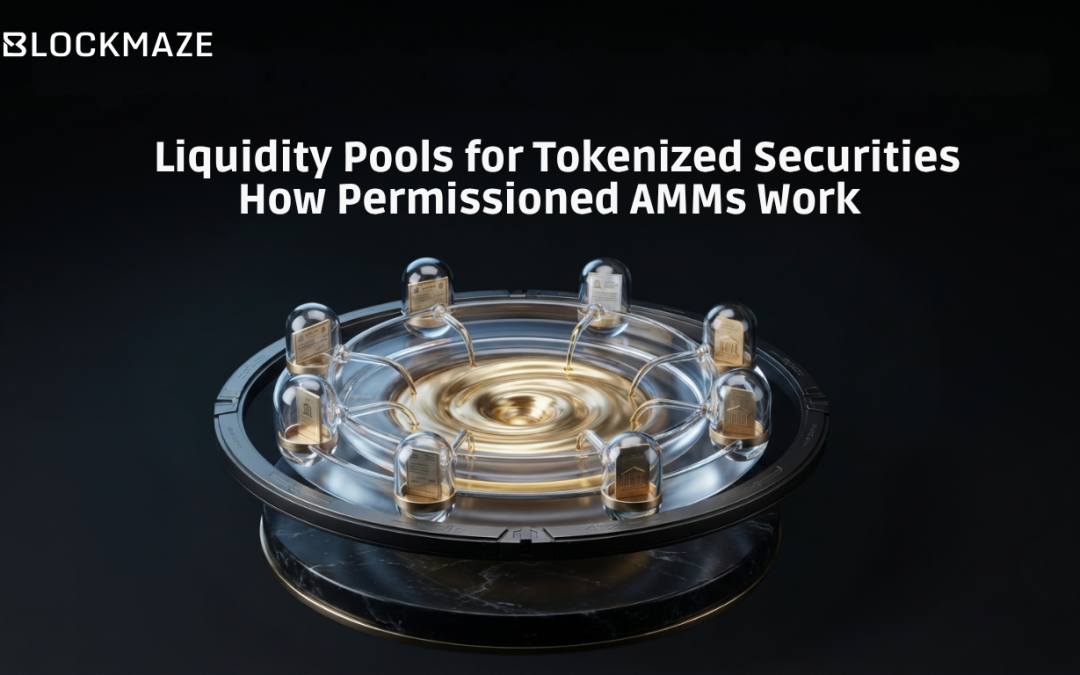
Automated market makers transformed DeFi liquidity by replacing traditional order books — where buyers and sellers must find each other and agree on prices — with mathematical pricing curves that automatically quote prices based on the ratio of assets in a liquidity...
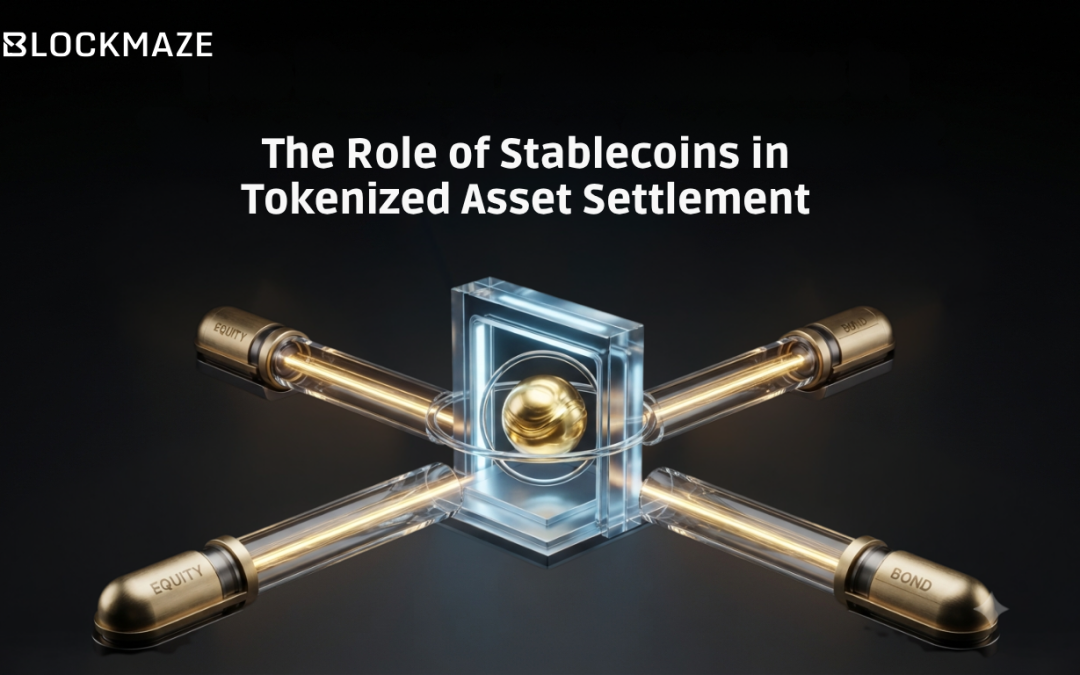
Every tokenized asset transaction has a cash leg: when tokens are purchased, income is distributed, or collateral is posted, there is a payment on the other side of the transaction. In traditional securities markets, this cash leg settles through the banking system —...
The repurchase agreement market, where one party sells securities to another with an agreement to repurchase them at a higher price on a future date is the financial system’s most important plumbing. Central banks use repo to manage liquidity across the banking...
Market liquidity does not appear spontaneously when a tokenized security is issued. An investor who subscribes to a tokenized private credit instrument and later needs to exit their position cannot exit unless there is either a redemption mechanism or a secondary...