Executive TL;DR • Web3 is a technical architecture for building internet infrastructure that does not require a trusted central intermediary to operate. It uses cryptography, distributed consensus, and programmable smart contracts to enforce rules without relying on...
Executive TL;DR Smart contracts are deterministic and self-contained — they can’t natively access external data like asset prices, title registries, custodian balances, or corporate action announcements. Oracles bridge that gap by bringing verified real-world...
Executive TL;DR Traditional ownership records cap tables, registrars, custodian books are maintained by separate parties and require periodic reconciliation to arrive at a common view. Blockchain creates a single, shared ownership record that all authorized parties...
No critique of blockchain for institutional finance has been more persistent — or more persistently referenced after it ceased to be accurate — than scalability. ‘Blockchain can’t handle the transaction volumes of global capital markets’ was true of...
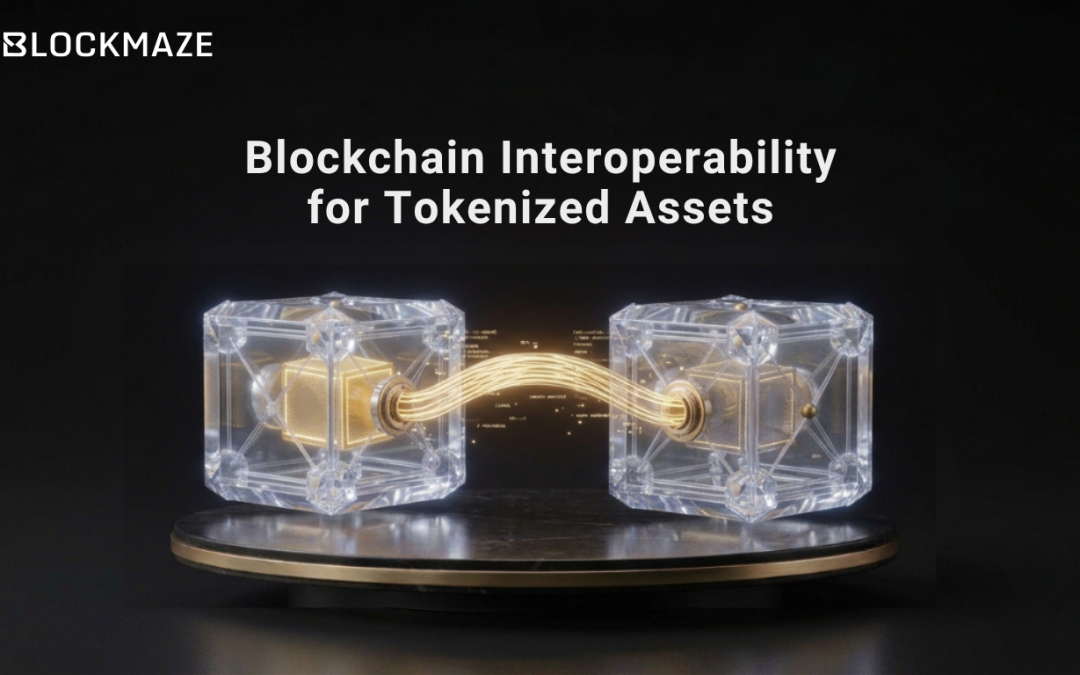
By 2026, the tokenized real-world asset market will have crossed $30 billion in onchain value. But those assets are not uniformly concentrated on a single network; they are distributed across Ethereum, Avalanche, Solana, Polygon, private chains, and institutional...
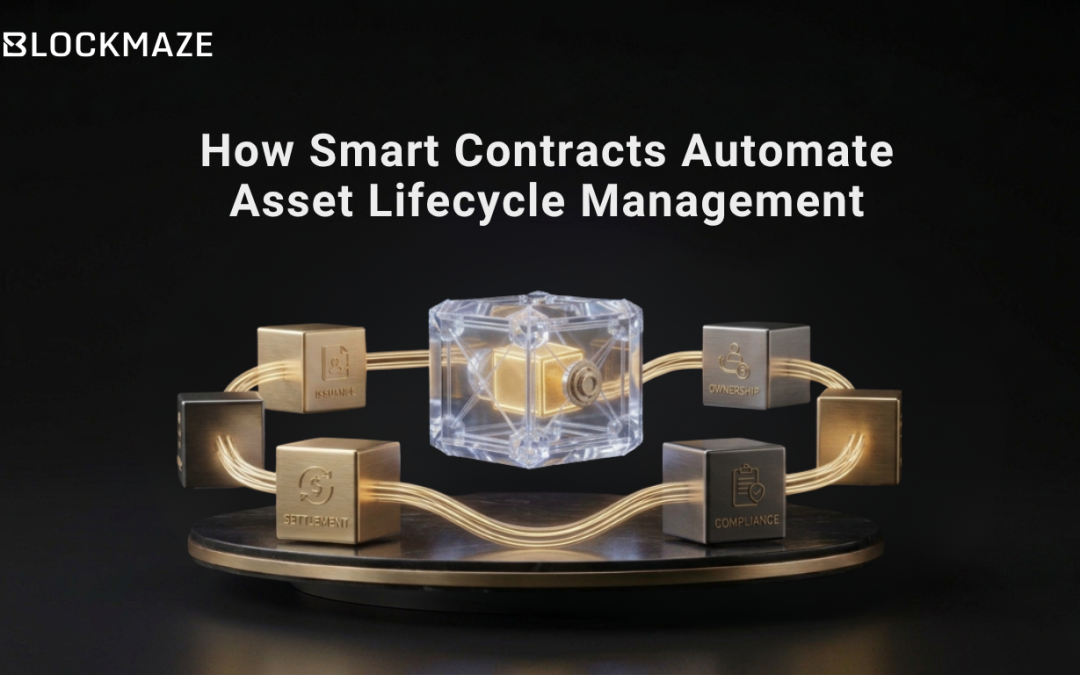
Smart contracts are often described in terms that make them sound nearly self-governing: ‘self-executing agreements,’ ‘code that runs automatically,’ ‘trustless automation.’ For institutional asset management, this description is...